Digestive discomfort is common, but persistent symptoms should never be ignored. If you frequently experience acidity, stomach pain, difficulty swallowing, or unexplained digestive issues, your doctor may recommend an endoscopy. This procedure allows specialists to examine the upper digestive tract closely and identify problems that may not appear in routine tests.
Understanding how endoscopy works can help reduce anxiety and encourage timely diagnosis.
What Is an Endoscopy?
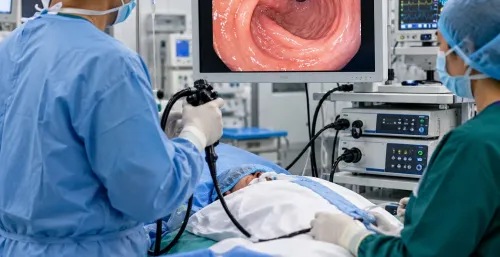
An upper gastrointestinal endoscopy is a minimally invasive procedure that uses a thin, flexible tube fitted with a tiny camera. The scope passes gently through the mouth to examine the oesophagus, stomach, and the first part of the small intestine.
Unlike many imaging tests, endoscopy provides a direct view of the digestive tract, allowing doctors to detect abnormalities with greater accuracy.
Conditions That May Require an Endoscopy
Your doctor may suggest an endoscopy if you have symptoms such as:
- Persistent heartburn or acid reflux
- Difficulty swallowing food
- Frequent nausea or vomiting
- Upper abdominal pain
- Unexplained weight loss
- Blood in vomit or black stools
- Long-standing indigestion
The procedure may also be used to investigate ulcers, gastritis, oesophageal disorders, polyps, and early signs of gastrointestinal cancers.
What Happens During the Procedure?
Many people worry that endoscopy is painful, but it is generally well tolerated. A local anaesthetic spray or mild sedation is often used to improve comfort.
The procedure usually takes 15 to 30 minutes. During this time, the doctor carefully examines the digestive tract and may collect a small tissue sample if required for further evaluation.
Most patients return home on the same day after a short observation period.
Why Early Diagnosis Matters in Thane
Digestive disorders can worsen gradually if left untreated. For residents considering endoscopy in Thane, early evaluation helps detect conditions before they become more serious. It also allows doctors to begin appropriate treatment sooner, often preventing complications.
Rather than relying on repeated medication for recurring symptoms, identifying the underlying cause leads to more effective long-term management.
Choosing the Right Specialist
An experienced general and laparoscopic surgeon understands when endoscopy is necessary and how to interpret the findings alongside your medical history.
Dr Aditya Phadke carefully evaluates patients before recommending diagnostic procedures, ensuring that investigations are performed only when clinically appropriate. This patient-centred approach helps avoid unnecessary testing while ensuring important conditions are not overlooked.
Preparing for an Endoscopy
Before the procedure, your healthcare team may advise you to:
- Avoid eating for several hours beforehand
- Inform the doctor about regular medications
- Discuss allergies or existing medical conditions
- Arrange someone to accompany you home if sedation is used
Most patients recover quickly and can resume normal activities the following day. If digestive symptoms persist despite treatment, an endoscopy may provide the answers needed to guide the next stage of care.
Keywords