A piles operation is not a single event: it begins with confirming the cause of your symptoms and ends with wound, bowel and recovery checks. You will know which assessments, procedure choices, preparation steps, costs, discharge instructions and follow-up arrangements to confirm before agreeing to treatment.
Key takeaways
- Confirm rectal bleeding is caused by haemorrhoids before choosing surgery.
- Ask which procedure suits your haemorrhoid size, prolapse and symptoms.
- Arrange medicines, fasting, transport and time off before the operation.
- Follow wound-care, pain-control, bowel-movement and review instructions after surgery.
How is it decided whether you need piles surgery?
Surgery is considered when haemorrhoids remain painful, recurrent, large or prolapsing after suitable non-operative treatment. The first consultation confirms that piles are causing the symptoms, rather than assuming every episode of rectal bleeding comes from haemorrhoids.
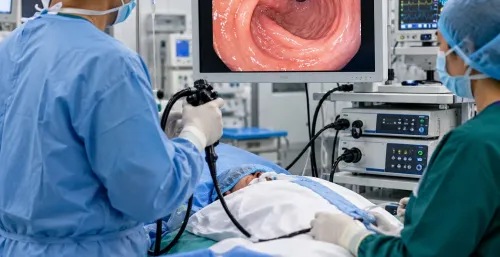
Your clinician will review bleeding, pain, itching, prolapse, bowel frequency, straining, toilet habits, medicines, previous treatment and family history. They will inspect the anal area, perform a digital rectal examination when appropriate and use anoscopy to view the anal canal. Weight loss, anaemia, abdominal pain, changed bowel habits, dark stools or unexplained bleeding need investigation.
Blood tests or colon evaluation may be considered based on your age, family history and colorectal screening status.
The decision usually follows this pattern:
| Option | Finding or situation | Usual approach |
|---|---|---|
| Observation | Mild, uncomplicated symptoms improving with fibre, fluids and less straining | Monitor and prevent constipation |
| Medicines | Itching, pain or swelling without significant prolapse | Short-term creams, suppositories or pain relief |
| Office treatment | Suitable internal haemorrhoids that persist or bleed | Rubber-band ligation or another clinic procedure |
| Surgery | Persistent or recurrent symptoms, large haemorrhoids or significant prolapse | Discuss an operation and recovery |
Ask what finding supports surgery, what non-operative option remains reasonable and what piles surgery includes in your case. Also ask whether bleeding has been fully evaluated before attributing it to haemorrhoids.
Which piles procedures may be included in the treatment plan?
The operation on the estimate matters: “piles surgery” is not one standard procedure. Ask whether piles surgery includes tissue removal, an office procedure, or treatment of internal prolapse, because each option has different pain, recurrence and time-off-work expectations.
| Option | What it means | When it applies | Main trade-off |
|---|---|---|---|
| Rubber-band ligation | A band cuts blood supply to an internal haemorrhoid; the tissue later shrivels | Suitable internal haemorrhoids, often treated in an office | Usually quick recovery, but repeat treatment or recurrence can occur |
| Excisional haemorrhoidectomy | The surgeon removes haemorrhoidal tissue | Larger, external or prolapsing haemorrhoids | Stronger treatment, but more early pain and recovery measured in weeks |
| Stapled haemorrhoidopexy | A circular stapler lifts prolapsing internal tissue without removing the main haemorrhoid mass | Selected internal prolapse | Less early pain than excision, but different suitability and higher long-term recurrence risk |
| Doppler-guided haemorrhoidal artery ligation | Doppler identifies arteries, which are tied to reduce blood flow and prolapse | Selected internal haemorrhoids with prolapse | Less tissue removal, with recurrence and suitability depending on the disease |
Before consenting, ask which grade and location are being treated, whether tissue will be removed, the expected recurrence risk and how long you may need away from work.
A written package or quote should identify:
- Consultation and anaesthesia assessment
- Blood tests or other required tests
- Operating-room and anaesthesia charges
- Medicines and dressings
- Pathology when tissue is removed
- Scheduled review and any exclusions
Do not assume these items are included because the estimate says “piles surgery.”
What should you arrange before piles surgery in Thane?
Bring a photo ID, medical records, test reports, medicine and allergy lists, loose clothing, and insurance or payment documents. This is a practical piles operation preparation Thane checklist for any hospital or surgeon.
1. Confirm the exact procedure, planned anaesthetic, arrival time, fasting times, and whether bowel preparation is prescribed. Local anaesthesia may need little preparation; regional or general anaesthesia, especially with sedation, brings stricter fasting and supervision requirements.
2. Ask whether you need an escort home and a responsible adult with you overnight. Do not drive after anaesthesia or while taking opioid pain medicine.
3. Do not stop anticoagulants, antiplatelet medicines, diabetes medicines, or supplements unless the treating team gives clear instructions. Bring every medicine or a current written list, including doses.
4. Ask whether your operation, age, or medical history requires preoperative blood tests, an electrocardiogram, or an anaesthesia review. Report allergies, heart or lung disease, diabetes, previous anaesthetic problems, and recent illness.
5. Request a written estimate that names the operation and states inclusions and exclusions. Check for the surgeon’s consultation, pre-anaesthetic assessment, tests, operating-room and anaesthesia charges, medicines, dressings, pathology when tissue is removed, and scheduled follow-up.
6. Before booking, confirm wound-care instructions, the review date, and a contact number for problems. Dr Aditya Phadke can clarify the exact preparation and follow-up plan during consultation.
When comparing what is included with piles surgery in Thane, compare these written details rather than relying on the word “package.”
Related service
Piles, Fissure & Fistula Surgery Piles, Fissure & Fistula Surgery Best Piles Surgeon in Thane Haemorrhoids or piles refer to the swelling of veins in the anal canal or rectum. View service → |
What happens on the day of the piles operation?
Your arrival time is not your discharge time. The day starts with registration, followed by confirmation of your medical history, current medicines and allergies. Staff check that consent covers the planned operation, then an anaesthetist reviews your health, fasting status and suitable anaesthesia.
- You change into a hospital gown and receive preparation instructions.
- The surgeon performs the planned procedure.
- In recovery, staff monitor alertness, breathing, blood pressure, pain, nausea and bleeding.
- Before discharge, they explain pain-control medicines and wound-care instructions.
Procedure duration and discharge timing vary because “piles surgery” covers different treatments and anaesthetics.
| Option | What it involves | Effect on timing |
|---|---|---|
| Rubber-band ligation | Office treatment for selected internal haemorrhoids | Usually shorter observation |
| Excisional haemorrhoidectomy | Removes haemorrhoidal tissue | More early pain; recovery often takes weeks |
| Stapled or Doppler-guided treatment | Treats selected internal prolapse or blood flow | Timing and recurrence trade-offs differ |
| Sedation or general anaesthesia | Requires closer recovery monitoring | Escort and supervision are needed |
Before you leave, staff assess alertness, pain, nausea, bleeding and your ability to drink. They check that you can pass urine when required. Same-day discharge depends on the operation, anaesthetic, medical conditions, local policy and safe home support—not the clock alone.
Arrange transport in advance; do not drive after sedation, general anaesthesia or sedating pain medicine. Ask whether a responsible adult must stay overnight, when normal food and drink can resume, which medicine to take first and whom to call if urination becomes difficult.
What does recovery and follow-up include after piles surgery?
After discharge, piles surgery aftercare guidance focuses on controlling pain, preventing hard stools and protecting the wound. Expect soreness, swelling and a small amount of bleeding or discharge; excisional haemorrhoidectomy can make bowel movements particularly painful because stool stretches healing wounds in the sensitive anal canal.
- Take prescribed analgesics as directed, and use the recommended stool softener or laxative. Eat fibre and drink adequate fluids unless medically restricted.
- Clean the area gently, follow dressing and wound-care instructions, and use warm sitz baths only if the surgeon approves them. Do not scrub the wound.
- Avoid straining and prolonged toilet sitting. Ask about walking, exercise, sex, driving and work; restrictions depend on pain, movement, sedating medicines and the operation. Do not drive if you cannot brake or react safely.
- Leave with a planned review date and a contact number. Piles surgery consultation and follow up should assess pain, bleeding, bowel function, urination, wound healing, persistent prolapse, anal stenosis and recurrence.
Contact the surgical team urgently for heavy or persistent bleeding, fever, worsening pain or swelling, pus, dizziness, vomiting or inability to pass urine.
Long-term prevention still matters because surgery does not remove the tendency toward constipation or recurrence. Keep fibre and fluid intake adequate, stay regularly active, respond to the urge to pass stool and avoid straining.
Frequently asked questions
How is it decided whether you need piles surgery?
Your surgeon examines the haemorrhoids, checks the bleeding and prolapse, and reviews non-operative treatment. Surgery is considered for painful, recurrent, large or prolapsing haemorrhoids that persist despite suitable treatment.
Which piles procedures may be included in the treatment plan?
The plan depends on the haemorrhoid type, size and prolapse. It may include a conventional haemorrhoidectomy, stapled haemorrhoidopexy, or another procedure selected after examination.
What should you arrange before piles surgery in Thane?
Arrange your pre-operative assessment, required tests, medicine instructions, fasting plan, transport home and enough recovery time. Tell the surgical team about blood thinners, allergies and existing conditions.
What happens on the day of the piles operation?
The team confirms your identity, procedure and consent, checks your medical information, prepares you for anaesthesia and performs the planned operation. You receive discharge instructions before leaving.
What does recovery and follow-up include after piles surgery?
Aftercare covers prescribed pain relief, wound hygiene, fluids, fibre or stool-softening treatment, safe bowel movements and activity limits. Follow-up checks healing and addresses bleeding, infection, persistent pain or other concerns.
Keywords