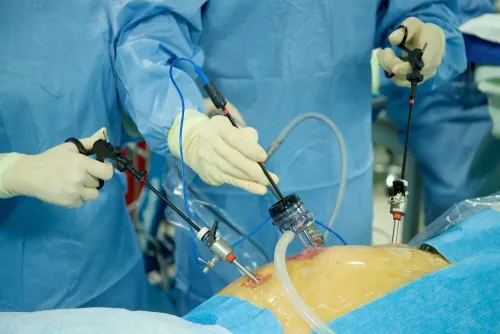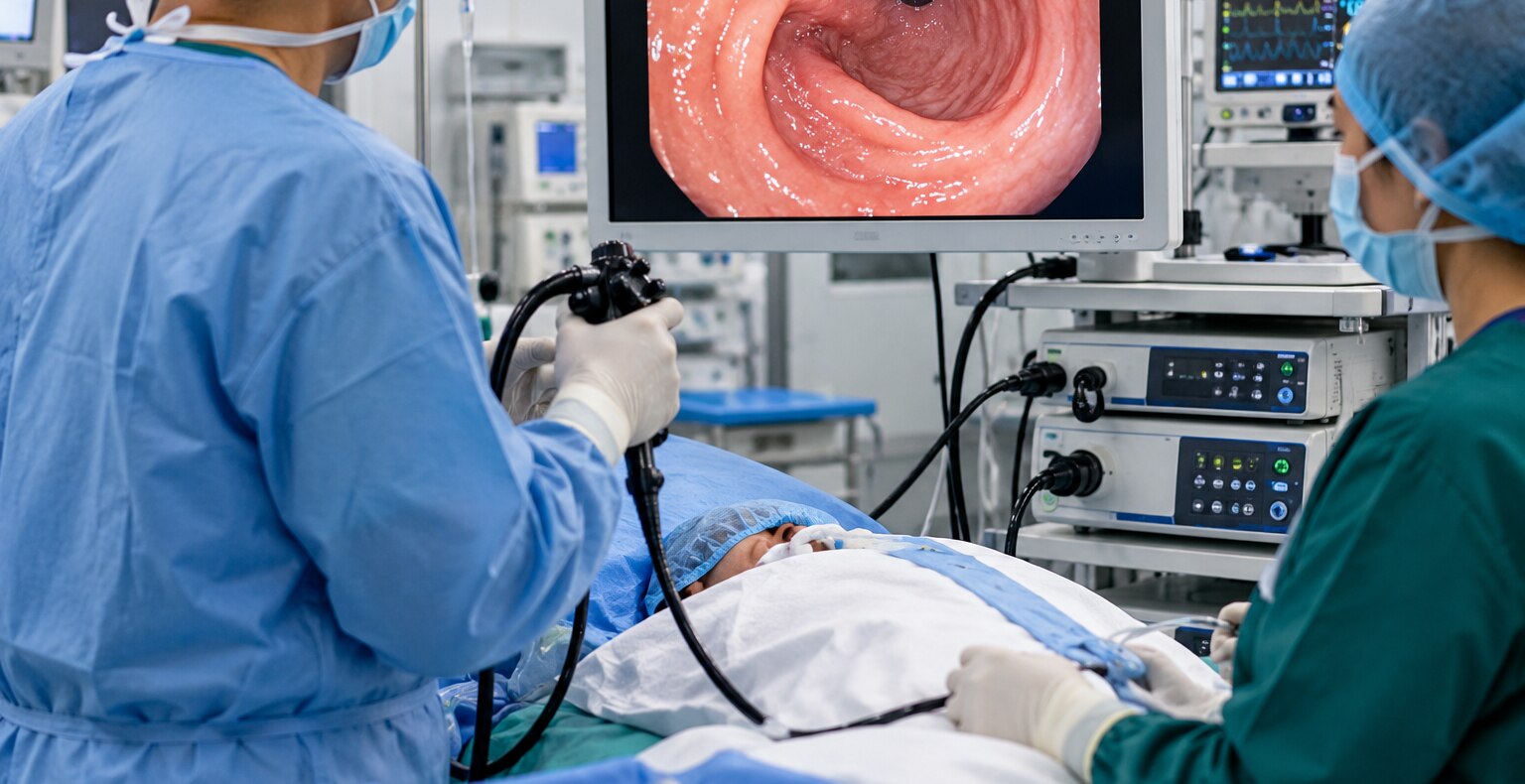
An upper gastrointestinal endoscopy can reveal reflux damage, Barrett’s oesophagus, hiatus hernia, ulcers, obstruction and other findings that affect the timing or type of bariatric operation. By the end, you will know when the test is useful, how to prepare, what biopsies mean and which questions to ask during your surgical consultation.
Key takeaways
- Endoscopy examines the oesophagus, stomach and duodenum before surgery.
- Ask whether symptoms or medical history make preoperative endoscopy necessary.
- Confirm fasting instructions, medication changes and transport arrangements beforehand.
- Discuss endoscopy findings alongside blood tests, imaging and surgical risk assessment.
What upper GI endoscopy examines before bariatric surgery
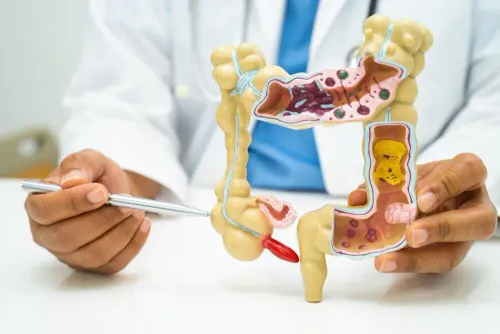
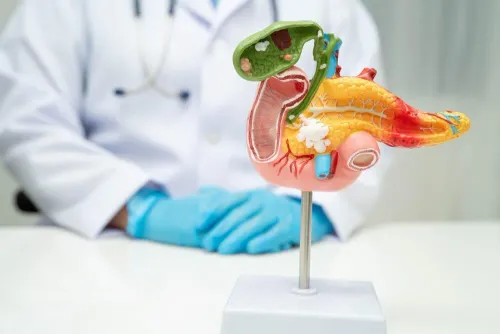
A diagnostic upper GI endoscopy examines the upper digestive tract before bariatric surgery using a thin, flexible camera passed through the mouth. During endoscopy in Thane assessing bariatric surgery suitability, the clinician inspects:
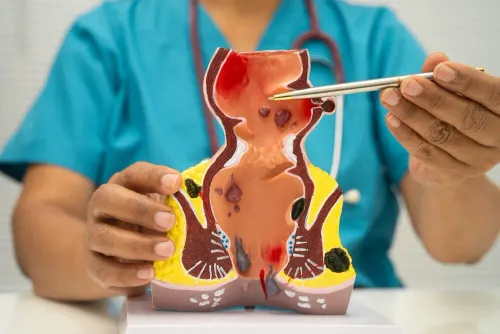
- The oesophagus, looking for reflux oesophagitis, narrowing, inflammation or other damage.
- The gastroesophageal junction, where the oesophagus meets the stomach, including signs of Barrett’s oesophagus or a hiatus hernia.
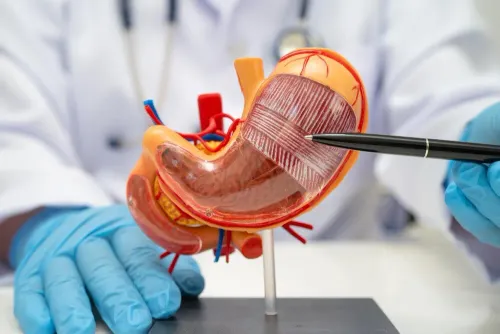
- The stomach lining, checking for gastritis, peptic ulcers, polyps and suspicious lesions.
- The pylorus, the stomach’s outlet, checking whether swelling, scarring or another problem restricts passage.
- The first part of the duodenum, looking for ulcers, inflammation or other abnormalities.
The camera can reveal disease that symptoms miss. A person may have Barrett’s oesophagus, an ulcer, a gastric polyp or early suspicious changes without severe pain, vomiting or heartburn. The endoscopist can take tissue samples when the lining looks abnormal or mildly inflamed; visual inspection alone cannot reliably detect every condition.
An ulcer, severe oesophagitis, active bleeding or suspicious lesion can require biopsy, treatment and postponement of surgery. A large hiatus hernia can affect the proposed operation or require repair. Endoscopy assesses the upper digestive tract; it does not, by itself, establish that you are fit for surgery.
Who needs endoscopy during bariatric assessment in Thane?
Not every bariatric candidate needs an upper-GI endoscopy. Centres differ: some use routine testing for all candidates, while others use selective testing based on age, reflux history, anaemia, gastrointestinal bleeding, previous ulcers or stomach surgery, local disease prevalence and the planned operation.
The decision about endoscopy before bariatric surgery in Thane is therefore individual, not a universal clearance test.
Alarm features lower the threshold for diagnostic evaluation:
- Difficulty swallowing or recurrent food impaction
- Black stools or other evidence of gastrointestinal bleeding
- Persistent vomiting
- Iron-deficiency anaemia
- Unexplained or persistent upper-abdominal symptoms
| Approach | How the decision is made | What it means for you |
|---|---|---|
| Routine endoscopy | The centre examines every bariatric candidate | Hidden disease is checked before selecting the operation |
| Selective endoscopy | Testing follows symptoms, risk factors, history and planned procedure | You may avoid the test when your assessment shows low risk |
| Targeted endoscopy | A specific concern requires investigation | Biopsy, treatment or further imaging may be needed before surgery |
During bariatric assessment in Thane, severe reflux or Barrett’s oesophagus may favour Roux-en-Y gastric bypass over sleeve gastrectomy in an appropriate patient. A large hiatus hernia may require repair or additional imaging.
An ulcer, active bleeding, obstructing lesion or suspicious area can require treatment and biopsy, with surgery postponed until the cause is addressed and the surgical plan is safe.
How endoscopy fits with the rest of the suitability assessment
A normal endoscopy does not establish surgical fitness or guarantee a particular bariatric operation. It examines the upper digestive tract; the wider bariatric assessment in Thane must also judge obesity-related disease, operative risk, medication use and your ability to manage lifelong follow-up and supplementation.
Each investigation answers a different question:
- Abdominal ultrasound assesses organs such as the liver and gallbladder; it does not inspect the stomach lining.
- Blood tests check issues such as anaemia, glucose control, liver function, kidney function, iron, vitamin B12, folate and vitamin D. Helicobacter pylori testing is separate and is not a substitute for endoscopy.
- Sleep-apnoea assessment identifies breathing risk during and after anaesthesia. Nutritional and metabolic evaluation identifies deficiencies and uncontrolled conditions that need correction.
- An ECG checks heart rhythm and electrical signs of cardiac strain. An anaesthesia review assesses the airway, medicines, previous sedation problems and other factors affecting safe surgery.
- Psychological assessment and eating-behaviour review examine readiness, compulsive eating, substance use, expectations and capacity to follow postoperative restrictions.
Biopsies can detect H. pylori, intestinal metaplasia, inflammation and some lesions that look invisible or only subtly abnormal. A positive H. pylori result or ulcer may lead to eradication treatment, further investigation and confirmation of healing before surgery, according to the surgeon’s or gastroenterologist’s plan—not a universal fixed timeline.
How to prepare for and recover from the procedure
Confirm the facility’s fasting instructions before endoscopy before bariatric surgery in Thane. Do not guess the timing.
1. Ask for the exact time to stop solid food, including milk, snacks and chewing gum, and when clear liquids such as water must stop. Ask whether diabetes changes these times or requires an adjusted appointment.
2. Give the endoscopy and prescribing teams a complete medication history. Name warfarin, apixaban, rivaroxaban, aspirin, clopidogrel, insulin and every other diabetes medicine. Also report allergies, possible pregnancy, major medical conditions and any previous sedation problem. Do not stop blood thinners or diabetes treatment independently; the responsible clinicians must set the plan.
3. The team may numb your throat with spray or give intravenous sedation. A flexible camera then examines the upper digestive tract, and the endoscopist may collect biopsies. You remain under observation while the sedation wears off.
4. Arrange an escort if sedation is used. Follow the facility’s written restrictions on driving, work, operating equipment and important decisions; do not assume you are safe once you feel awake. Temporary throat soreness, bloating or mild discomfort can follow.
Pathology results arrive later, even when the immediate examination appears reassuring. If a biopsy tests for H. pylori, intestinal metaplasia, inflammation or another abnormality, final bariatric surgical planning may wait for that report and any treatment it triggers.
Questions to ask at a weight loss surgery consultation in Thane
Ask these questions at your weight loss surgery consultation in Thane before treating an endoscopy result as permission to operate. Endoscopy in Thane assessing bariatric surgery suitability is one decision point, not a clearance certificate.
- Which operation is being considered: sleeve gastrectomy, Roux-en-Y gastric bypass or another procedure?
- If I have reflux, Barrett’s oesophagus, a hiatus hernia or an ulcer, would you change the operation, repair the hernia, treat the condition or postpone surgery?
- Is endoscopy recommended because of my symptoms, previous stomach surgery or this centre’s routine protocol?
- Will the endoscopist take biopsies, including samples for H. pylori, even if the lining looks normal?
- Who will review the pathology, when will results arrive, and which findings would delay surgery?
- Could my previous bariatric operation make the examination incomplete or technically difficult?
| Finding | Possible implication | Question to ask |
|---|---|---|
| Reflux or Barrett’s oesophagus | A bypass may be preferred over sleeve surgery in appropriate patients | Which operation reduces reflux risk? |
| Hiatus hernia | Repair, imaging or altered surgical planning may be needed | Will the hernia be repaired during surgery? |
| Ulcer, bleeding or suspicious lesion | Treatment, further investigation and postponement may be necessary | What must happen before rescheduling? |
Dr Aditya Phadke can interpret the report alongside obesity-related disease, medicines, nutritional status, sleep-apnoea risk and anaesthesia findings. A normal examination does not establish surgical fitness; the complete assessment determines whether, when and how surgery proceeds.
Related service
Bariatric Surgery Best Bariatric Surgeon in Thane Bariatric surgery, also known as weight loss surgery or metabolic surgery, is a surgical procedure performed on... View service → |
Frequently asked questions
What does upper GI endoscopy examine before bariatric surgery?
It examines the oesophagus, stomach and duodenum for conditions that could affect surgical planning, such as inflammation, ulcers or a hiatal hernia.
Who needs endoscopy during bariatric assessment in Thane?
Your surgeon may recommend it when you have upper abdominal symptoms, reflux, swallowing difficulty, anaemia, prior stomach disease or a relevant surgical history.
How does endoscopy fit with the rest of bariatric suitability assessment?
Endoscopy is one part of the assessment. Your team also considers medical history, physical examination, blood tests, imaging, nutritional risks and fitness for anaesthesia.
How should you prepare for and recover from endoscopy?
Follow the clinic’s fasting and medication instructions, arrange an adult to take you home after sedation, and avoid driving until its effects have worn off.
What should you ask at a weight loss surgery consultation in Thane?
Ask why endoscopy is recommended, what it will examine, how findings could change the operation, when results will be available and which tests remain.
Keywords