Appendicitis is a medical emergency that should never be ignored. The appendix is a small pouch attached to the large intestine, and when it becomes inflamed, delaying treatment can lead to rupture, severe infection, and life-threatening complications.
Recognizing the warning signs early helps ensure prompt treatment and a faster recovery.
What Causes Appendicitis?
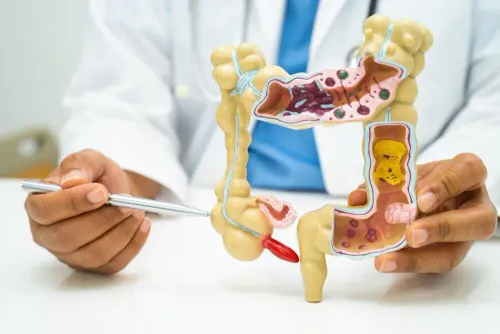
Appendicitis usually develops when the appendix becomes blocked by stool, infection, or swelling of nearby tissues. The blockage allows bacteria to multiply, leading to inflammation and increasing pressure inside the appendix.
While appendicitis can occur at any age, it is most common among teenagers and young adults.
Symptoms You Should Never Ignore
Symptoms often begin suddenly and worsen over several hours.
Typical warning signs include:
- Pain around the navel that shifts to the lower right abdomen
- Increasing abdominal pain while walking or coughing
- Fever
- Loss of appetite
- Nausea and vomiting
- Constipation or diarrhoea
- Abdominal swelling
As the inflammation progresses, the pain usually becomes more intense and localized.
Why Immediate Treatment Matters
If the appendix ruptures, bacteria spread throughout the abdomen, causing peritonitis—a serious infection requiring emergency surgery and intensive treatment.
Seeking early medical care significantly reduces the risk of complications.
How Is Appendix Surgery Performed?
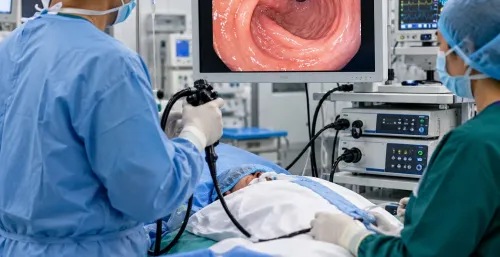
Today, most patients undergo laparoscopic appendix removal.
Compared with open surgery, laparoscopic appendectomy offers:
- Smaller incisions
- Reduced pain
- Faster healing
- Lower infection risk
- Shorter hospital stay
- Earlier return to normal life
The exact treatment plan depends on the severity of the infection and the patient's overall condition.
Finding Experienced Appendix Surgery in Thane
Patients searching for appendix surgery in Thane should look for hospitals offering emergency surgical care and minimally invasive techniques. Prompt diagnosis through physical examination, blood tests, and imaging ensures treatment is not delayed.
Dr Aditya Phadke manages appendicitis with an evidence-based approach, ensuring that surgery is recommended promptly when necessary while focusing on patient safety and smooth recovery.
Recovery After Surgery
Recovery varies from person to person, but most patients experience significant improvement within a few days.
Doctors generally recommend:
- Walking early after surgery
- Drinking sufficient fluids
- Eating light meals initially
- Avoiding heavy lifting for a few weeks
- Following postoperative instructions carefully
Early diagnosis remains the key to preventing serious complications. Anyone experiencing persistent lower abdominal pain should seek medical evaluation without delay.
Keywords