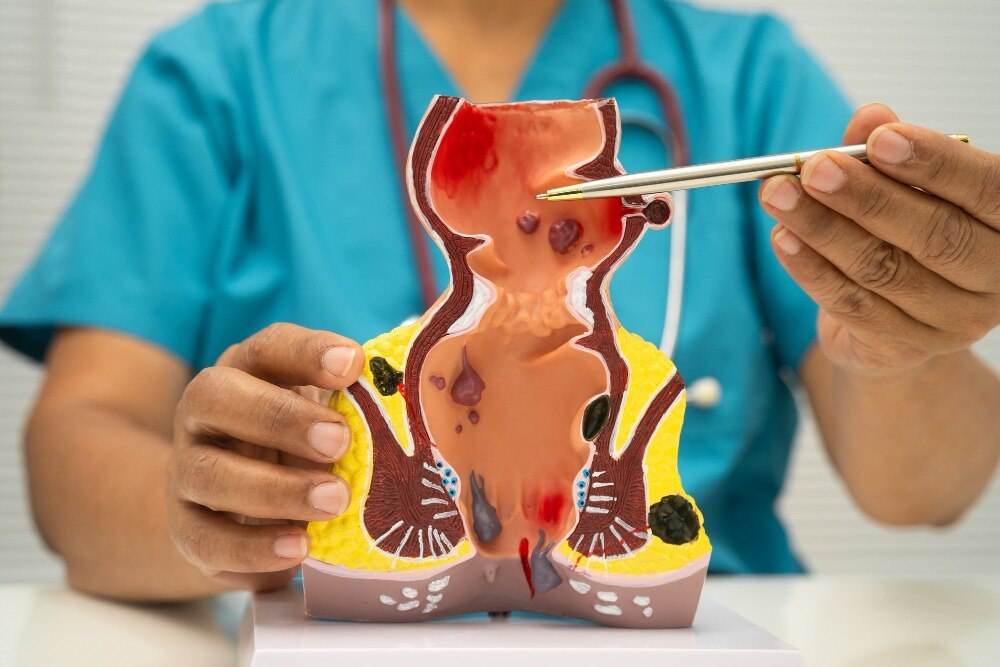
Before surgery, you need the correct diagnosis, an understanding of whether non-operative treatment has been tried, and a plan matched to the condition. You will also need clear instructions about medicines, fasting, bowel preparation, anaesthesia, transport and recovery warning signs.
Key takeaways
- Bright-red bleeding often points to piles; cutting pain suggests a fissure.
- Persistent drainage, swelling or recurrent abscess needs fistula assessment.
- Surgery depends on severity, examination findings and sphincter involvement.
- Contact your surgeon for fever, worsening pain, heavy bleeding or urine difficulty.
How can you tell piles, a fissure and a fistula apart?
Bright-red bleeding and itching point more toward piles, especially when blood appears on toilet paper or coats the stool. A fissure causes sharp, cutting pain during and after a bowel movement. Persistent drainage, a tender swelling, fever or a recurrent abscess suggests a fistula rather than piles or a simple fissure.
| Condition | Symptoms that point toward it | What it means |
|---|---|---|
| Piles | Bright-red bleeding, itching, swelling, prolapse or discomfort | Enlarged haemorrhoidal blood vessels inside or around the anus |
| Fissure | Sharp cutting pain during bowel movements, burning afterward and occasional bright-red blood | A tear in the anal lining, often linked to hard stool or excessive sphincter tension |
| Fistula | Persistent drainage, a skin opening, swelling, fever or a recurrent abscess | An abnormal tunnel with an internal opening inside the anal canal, a tract through surrounding tissue and an external opening on the skin |
Seek urgent assessment for heavy bleeding, black stools, fever, spreading redness, severe or rapidly worsening pain, dizziness, fainting or inability to pass urine. Symptoms can overlap, and a fistula may temporarily close before another abscess forms.
That is why piles fissure fistula surgery for requirements starts with a clinical assessment, not choosing an operation from symptoms alone.
What tests confirm the diagnosis, and when is surgery actually needed?
Diagnosis starts with your history, not a scan. Tell the clinician about bleeding, pain, drainage, swelling, bowel habits, previous abscesses, family history, medicines and how long symptoms have lasted.
- The clinician inspects the anal skin for fissures, external piles, swelling, redness, discharge and an external fistula opening.
- A digital rectal examination checks tenderness, lumps, muscle tone and deeper abnormalities. Severe fissure pain can make this unreliable.
- Anoscopy or proctoscopy examines the anal canal and lower rectum for internal piles, bleeding points and other lesions.
- Examination under anaesthesia provides a complete assessment when pain prevents an office examination or a fistula’s openings and tract are unclear.
- Pelvic MRI or endoanal ultrasound helps map an abscess, branching or high fistula, and the amount of sphincter involved. Imaging is especially useful before choosing a sphincter-cutting operation.
Do not assume rectal bleeding is piles. Your age, family history, bowel symptoms, examination findings and screening status can lead to flexible sigmoidoscopy or colonoscopy.
Many fissures improve with fibre, adequate fluids, stool-softening treatment, prescribed topical nitroglycerin or a calcium-channel blocker, and warm sitz baths. Selected internal piles may respond to rubber-band treatment or other non-operative care; an abscess needs drainage, not cream alone.
Surgery enters the discussion when disease persists, recurs, becomes complex or resists treatment. The diagnostic findings guide piles surgery preparation and the operation, rather than bleeding alone.
Which operation is selected for piles, fissure or fistula?
The operation depends on the disease pattern, its severity, previous treatment and the amount of sphincter involved—not on bleeding or pain alone.
| Condition | Procedure | Best fit and trade-off |
|---|---|---|
| Piles | Rubber-band ligation | Selected internal haemorrhoids; avoids an external wound but does not treat large external components. |
| Piles | Excisional haemorrhoidectomy | Larger, prolapsing or combined internal-and-external disease; more complete treatment often means more postoperative pain. |
| Piles | Stapled haemorrhoidopexy or haemorrhoidal artery ligation | Alternatives for suitable anatomy; they may not address prominent external disease. |
| Fissure | Lateral internal sphincterotomy, fissurectomy or botulinum toxin | Sphincterotomy lowers pressure for chronic, treatment-resistant fissures; the other options avoid cutting the sphincter but may be less definitive. |
| Fistula | Fistulotomy, seton, LIFT or advancement flap | Fistulotomy suits a simple low tract. A seton controls drainage in higher or complex disease before a sphincter-sparing procedure. |
The fissure surgery procedure steps usually include:
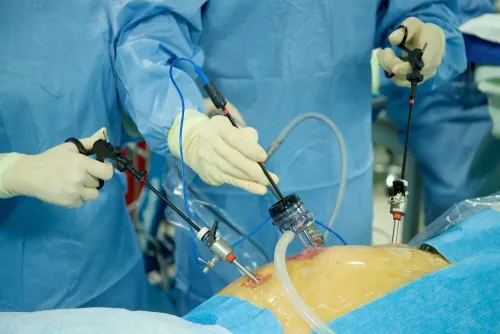
- Give local, regional or general anaesthesia and position you safely.
- Inspect the anal canal and fissure, then identify the internal sphincter.
- Divide only a limited sphincter portion if sphincterotomy is selected.
- Treat or remove abnormal fissure tissue when fissurectomy is required.
- Manage the incision or wound and send a specimen for testing if the appearance is unusual or diagnosis is uncertain.
Fistula treatment balances eradication of the infected tract against preservation of continence. A sphincter-cutting operation can heal a suitable low tract, while complex anatomy, previous surgery or continence concerns favour staged and sphincter-preserving treatment.
What are the piles surgery preparation requirements?
Good piles surgery preparation starts with a complete medication and health review, not with a bowel cleanse. Use this checklist:
1. Bring an up-to-date list of every medicine and supplement. Include anticoagulants such as warfarin and apixaban, antiplatelet drugs such as aspirin and clopidogrel, diabetes medicines, blood-pressure tablets, and drugs that cause constipation.
Do not stop a blood thinner or change any prescribed dose without instructions from the operating team or the clinician who prescribed it.
2. Report allergies, previous anaesthetic problems, diabetes, hypertension, possible pregnancy and any difficulty controlling wind or stool. These details can change the anaesthetic plan, operation choice or continence counselling.
3. Confirm fasting instructions in writing. Ask exactly when to stop solid food, milk, clear fluids and medicines; instructions differ between anaesthetics and procedures. Do not assume that a colonoscopy-style bowel preparation is required. The hospital may prescribe no preparation, an enema or a limited preparation.
4. Complete consent only after discussing the expected benefit, alternatives, pain, bleeding, recurrence and continence risk. Ask what happens if the planned procedure is unsuitable once the surgeon examines the area.
5. Arrange transport home and an adult caregiver for the first period after anaesthesia. Do not drive, make important decisions or stay alone if your discharge instructions require supervision.
What should recovery look like, and when should you contact the surgeon?
Pain after haemorrhoidectomy is often greater than after rubber-band ligation because surgery leaves wounds in a sensitive area. Follow the prescribed pain-relief plan, take stool softeners, eat fibre, drink enough fluids and clean gently without rubbing.
1. After fissure surgery, expect soreness during bowel movements while the wound heals. Prevent hard stools and straining with the treatment your surgeon prescribed, and do not add laxatives, creams or suppositories without approval.
2. After fistula surgery, wound or seton drainage can continue for weeks. Drainage alone does not prove failure, but fistula surgery recovery requires avoiding constipation, straining and unapproved activity while the tract heals.
3. Attend every follow-up appointment. The surgeon checks for infection, wound healing, persistent drainage, recurrent fistula and continence changes; further treatment depends on those findings rather than symptoms on one day.
4. Seek urgent advice for heavy bleeding or clots, dizziness, fainting, fever, pus, increasing swelling, spreading redness, severe worsening pain or inability to pass urine. Do not wait for a routine review if these occur.
For a procedure decision, Dr Aditya Phadke can match examination findings, imaging and continence considerations to the appropriate operation at the surgical facility in Cosmos Jewels, Ghodbunder Road, Thane. Ask before discharge whom to contact after hours and which symptoms require the emergency department.
Related service
Piles, Fissure & Fistula Surgery Piles, Fissure & Fistula Surgery Best Piles Surgeon in Thane Haemorrhoids or piles refer to the swelling of veins in the anal canal or rectum. View service → |
Frequently asked questions
How can you tell piles, a fissure and a fistula apart?
Piles often cause bright-red bleeding, itching or a lump. A fissure causes sharp pain during and after bowel movements. A fistula can cause persistent drainage, swelling, fever or recurrent abscesses.
What tests confirm the diagnosis?
A surgeon usually starts with an inspection and digital rectal examination. Anoscopy, proctoscopy, MRI or examination under anaesthesia is selected when the findings require further clarification.
When is surgery needed for piles, fissure or fistula?
Surgery is considered when symptoms persist despite appropriate treatment, piles are advanced or recurrent, a fissure remains chronic, or a fistula causes repeated infection or drainage.
What does piles surgery preparation involve?
Preparation includes reviewing medicines, allergies and medical conditions, following fasting instructions when anaesthesia is planned, and arranging transport and help after the procedure.
What should recovery look like after fistula surgery?
Expect wound discomfort, drainage and gradual improvement. Keep the area clean, follow dressing and bowel-care instructions, attend follow-up, and report fever, increasing pain or heavy bleeding.
Keywords