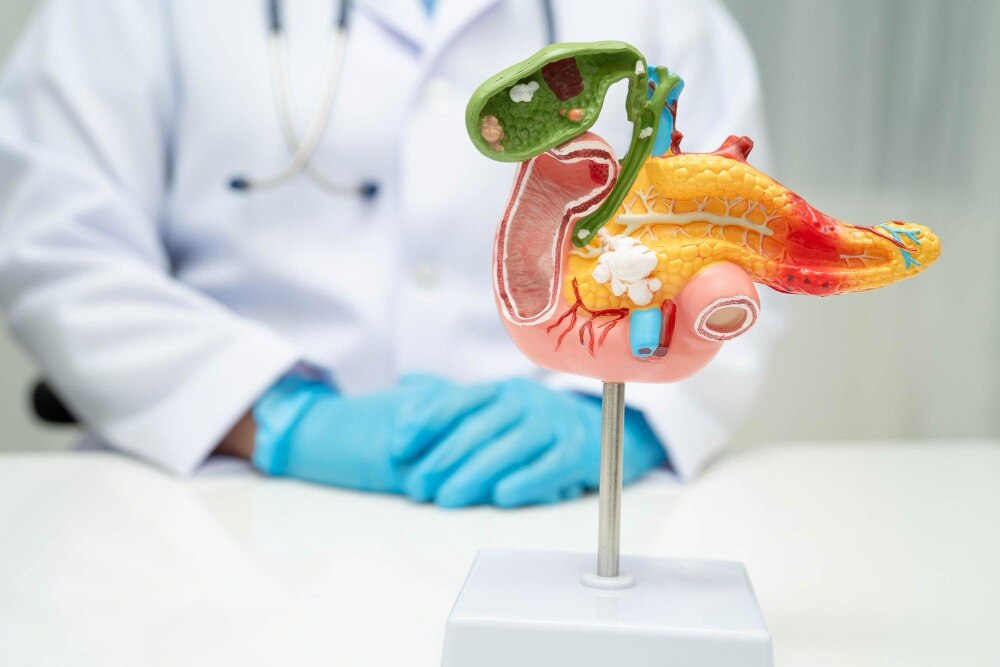
An ultrasound finding alone does not tell you whether gallbladder surgery is necessary, urgent, or the best next step. Before you consent, you need to confirm the reason for surgery, complete the right safety checks, understand the planned operation, and know what admission, recovery, and emergency support will involve.
Key takeaways
- Match symptoms with imaging before agreeing to surgery.
- Bring ultrasound reports, blood tests, medicines, and previous treatment records.
- Confirm the operation, bile-duct plan, anaesthesia, and possible complications.
- Compare a Thane provider’s surgical experience, hospital, follow-up, and emergency access.
Does your gallbladder finding actually justify surgery?
Gallstones justify surgery when they match a convincing symptom pattern: repeated right-upper-abdominal pain, especially after fatty meals, with nausea or vomiting, and no better explanation. Acute cholecystitis, recurrent attacks, gallstone pancreatitis after the acute episode is controlled, selected gallbladder polyps, and a confirmed common-bile-duct stone also require surgical or endoscopic planning.
Pain from reflux, peptic-ulcer disease, irritable bowel syndrome, pancreatitis, or functional abdominal pain can remain after the gallbladder is removed. Your gallbladder surgery requirements should therefore include a clinical examination and review of the ultrasound, liver tests, symptom timing, previous attacks, and alternative diagnoses—not an ultrasound finding alone.
Use this gallbladder surgery checklist before consenting:
- Ask whether the scan shows stones, gallbladder-wall inflammation, a polyp, or a dilated common bile duct.
- Ask whether abnormal liver tests require MRCP or endoscopic ultrasound; ERCP is primarily treatment for a duct stone, not routine diagnostic testing.
- Record every attack, fever, jaundice, vomiting episode, medication, allergy, and prior abdominal operation.
| Finding | Usual decision | When observation or another treatment fits |
|---|---|---|
| Symptom-free incidental stones | Observe | No biliary symptoms or complications |
| Typical biliary pain | Laparoscopic cholecystectomy | Investigate another cause if symptoms are atypical |
| Acute or recurrent cholecystitis | Prompt surgical assessment | Urgent hospital care during severe infection |
| Common-bile-duct stone | ERCP, surgery, or both | Treat the duct obstruction before or with gallbladder removal |
| Small, low-risk polyp | Surveillance | Follow imaging advice when surgery criteria are absent |
What records and preoperative tests must you bring?
Bring the surgeon’s consultation notes, ultrasound report and images, and any CT, MRCP or ERCP findings. Add discharge summaries, previous abdominal-operation reports, and records of liver, heart, lung, kidney or bleeding disorders. This gallbladder surgery checklist prevents a test result or surgical history from being missed.
- Write every medicine, dose, timing and last dose, including warfarin, apixaban, aspirin, clopidogrel, diabetes medicines, steroids, supplements and herbal products.
- Record each drug, latex or food allergy and the exact reaction; “allergy” without the reaction is not enough.
- Bring insurance authorisation, identification, referral letters and prior blood-test reports if the hospital requests them.
- Expect a physical examination, blood-pressure and pulse check, heart and lung assessment, airway review and anaesthesia consultation.
| Examination or test | What it checks | When it applies |
|---|---|---|
| Full blood count | Anaemia, infection and platelet count | When clinically indicated or required by hospital policy |
| Liver function tests | Bile-duct obstruction or liver disease | If jaundice, abnormal imaging or abnormal previous results exist |
| Kidney function and electrolytes | Anaesthesia and medicine safety | With kidney disease, older age or relevant medicines |
| Coagulation tests | Bleeding tendency | With anticoagulants, liver disease or bleeding history |
| ECG, chest X-ray or pregnancy test | Anaesthetic risk or pregnancy | According to age, symptoms, medical history and pregnancy possibility |
Large routine panels do not improve gallbladder surgery preparation for every healthy person. Ask which results remain valid, which medicines to stop, and whether the surgeon and anaesthetist have formally cleared you.
Which operation and risks are you agreeing to?
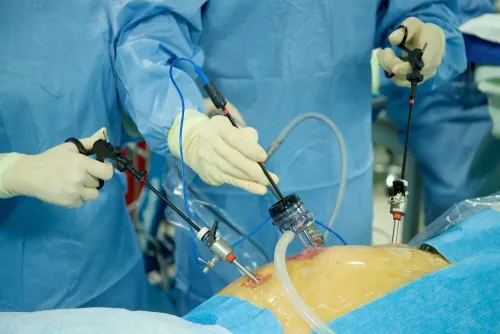
Laparoscopic cholecystectomy uses general anaesthesia and small abdominal incisions for instruments; the surgeon clips or seals the cystic duct and artery, removes the gallbladder, and checks for bleeding or bile leakage.
Open cholecystectomy uses one larger incision, causing more pain and a longer recovery, but may be safer when inflammation, cirrhosis, previous upper-abdominal surgery, or suspected cancer makes dissection difficult. These are important gallbladder surgery details and part of the gallbladder surgery requirements.
| Option | Practical difference | Main trade-off |
|---|---|---|
| Laparoscopic | Small incisions; usually faster recovery | Can require conversion if anatomy is unsafe |
| Open | One larger incision; longer hospital recovery | Direct access in severe inflammation or complex anatomy |
Consent should include conversion to open surgery, bleeding, infection, bile leak, retained common-bile-duct stones, injury to the common bile duct or nearby organs, blood clots, and anaesthesia complications. A retained stone or bile-duct injury can require another procedure, including ERCP. The removed gallbladder is commonly sent for histopathology.
Ask these questions before signing:
- Do you expect straightforward laparoscopy, and what would make you convert?
- Do I need intraoperative cholangiography, MRCP, or ERCP to check the bile duct?
- What is your plan if you find a stone, bile leak, bleeding, or duct injury?
- How likely is surgery to relieve my symptoms, and what other diagnosis explains them if pain continues?
How should you prepare for admission and discharge?
Confirm the hospital’s gallbladder surgery preparation instructions at least one day before admission. Ask when to stop solid food, milk, and clear liquids; the anaesthetist sets these times according to your aspiration risk. Do not stop medicines yourself.
- Get written instructions for insulin, diabetes tablets, blood thinners such as warfarin or apixaban, antiplatelet drugs such as aspirin or clopidogrel, and weight-loss medicines such as semaglutide.
- Ask whether to eat normally until fasting starts, avoid smoking and alcohol for a specified period, and take permitted medicines with a small sip of water.
- Confirm the admission time, required documents, test reports, insurance forms, and whether you need to remove nail polish, jewellery, contact lenses, or dentures.
- Wear loose clothing and arrange an adult to drive or accompany you home; you should not drive yourself after general anaesthesia.
- Arrange overnight adult help, childcare, meals, and time away from work. Ask when desk work, lifting, exercise, and driving can resume.
Most uncomplicated laparoscopic operations end with same-day discharge or a short stay. Discharge requires stable vital signs, controlled pain and nausea, the ability to drink and urinate, and no suspected complication. Request written gallbladder surgery details covering wound care, bathing, prescribed medicines, activity limits, follow-up, pathology results, and a 24-hour emergency contact.
Ask exactly which symptoms require urgent assessment, including fever, worsening abdominal pain, repeated vomiting, jaundice, breathlessness, or heavy wound bleeding.
How do you compare a gallbladder surgery provider in Thane?
Choose the provider that can explain both the planned operation and the backup plan. Your gallbladder surgery checklist should verify the following before you pay a deposit or sign admission papers.
| Item | Verify | Ask directly |
|---|---|---|
| Surgeon | Medical registration and relevant laparoscopic training | Who will operate, and who covers if the case becomes difficult? |
| Hospital | Anaesthetist, emergency team, blood-bank access, intensive-care support, and transfer arrangements | Is emergency care available overnight? |
| Imaging | Ultrasound, CT, MRCP, and ERCP access when indicated | Who reviews a suspected common-bile-duct stone? |
| Operation plan | Expected laparoscopic approach and reasons for difficult dissection, including severe inflammation, cirrhosis, previous upper-abdominal surgery, or suspected cancer | What triggers conversion to open surgery, and is duct imaging used selectively? |
| Pathology | A named laboratory that examines the removed gallbladder | When and how will I receive the report? |
| Money and insurance | Written pre-authorisation, insurer network status, surgeon and anaesthesia fees, room charges, consumables, pathology, and possible open-surgery costs | What is excluded from this quote? |
| Follow-up | Wound review, report discussion, telephone contact, and emergency readmission process | Who handles fever, jaundice, worsening pain, or vomiting after discharge? |
Whether you consult Dr Aditya Phadke or another surgeon, request these answers in writing. City branding alone proves none of these services. Compare the itemised estimate, not just the advertised package price.
Related services
Gallbladder Surgery Best Gallbladder Surgery in Thane The gallbladder stores the bile produced by the liver. View service → |
Laparoscopic Cholecystectomy Surgery Laparoscopic Cholecystectomy Surgery Circumcision is a surgical procedure in which the foreskin (the retractable fold of skin that covers the head of the penis) is removed. View service → |
Frequently asked questions
When does a gallbladder finding justify surgery?
Surgery is usually considered when gallstones cause repeated right-upper-abdominal pain, nausea or vomiting, acute cholecystitis, recurrent attacks, gallstone pancreatitis after the acute episode is controlled, selected gallbladder polyps, or a confirmed common-bile-duct stone.
What records and tests should you bring before gallbladder surgery?
Bring your ultrasound or other imaging reports, blood-test results, medicine list, allergy details, previous hospital records, and relevant medical conditions. Your surgeon may review liver-function tests, a complete blood count, kidney tests, blood glucose, coagulation results, and an electrocardiogram based on your health and anaesthesia assessment.
Which gallbladder operation and risks should you discuss?
Ask whether laparoscopic cholecystectomy is suitable, whether a common-bile-duct stone needs endoscopic retrograde cholangiopancreatography or another plan, and what happens if open surgery is required. Discuss bleeding, infection, bile leak, bile-duct injury, retained stones, anaesthesia risks, and recovery time.
How should you prepare for admission and discharge?
Follow the fasting instructions from your anaesthesia team, confirm which medicines to stop or continue, arrange an adult escort and transport, and bring identification and medical records. Before discharge, confirm wound care, pain medicines, activity limits, diet, warning signs, and the follow-up appointment.
How do you compare a gallbladder surgery provider in Thane?
Compare the surgeon’s relevant experience, the hospital’s anaesthesia and emergency facilities, access to imaging and endoscopy, the plan for difficult cases, written cost details, and postoperative follow-up. Ask who to contact if fever, worsening pain, jaundice, vomiting, or wound drainage develops.
Keywords