Piles, also known as haemorrhoids, are a common condition that can cause pain, bleeding, itching, and discomfort during bowel movements. While many mild cases improve with dietary changes and medication, persistent or advanced piles may require surgical treatment. Choosing the right surgeon is an important step towards effective treatment and long-term relief.
If you are searching for the best piles surgeon in Thane, these factors can help you make an informed decision.
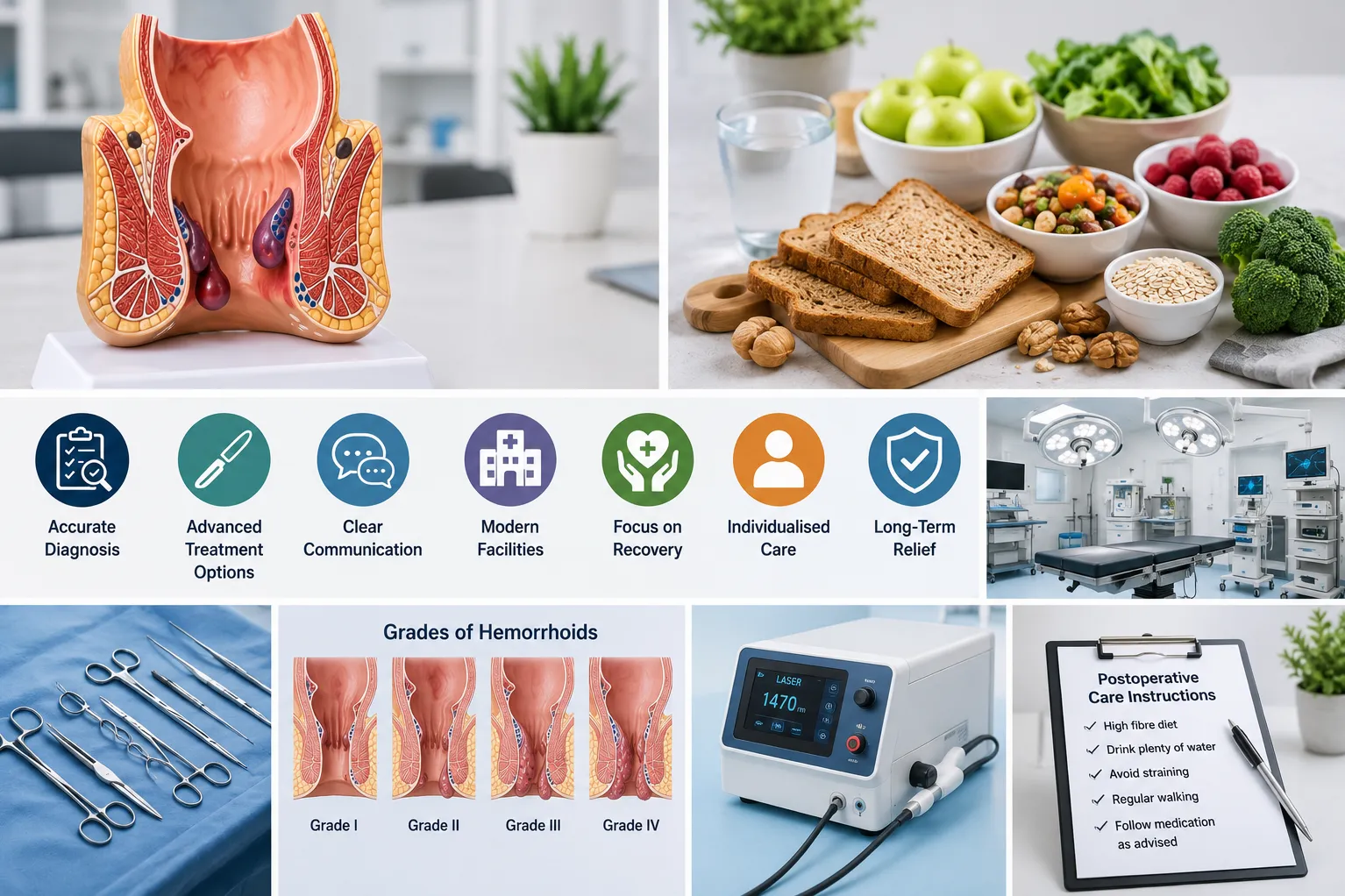
1. Accurate Diagnosis Comes First
Not every case of rectal bleeding is caused by piles. Conditions such as fissures, fistulas, polyps, and colorectal disorders may present with similar symptoms.
A thorough clinical examination ensures the correct diagnosis before treatment begins.
2. Experience with Different Treatment Options
Modern piles treatment is not limited to conventional surgery. Depending on the severity of the condition, options may include:
- Lifestyle and dietary management
- Medication
- Rubber band ligation
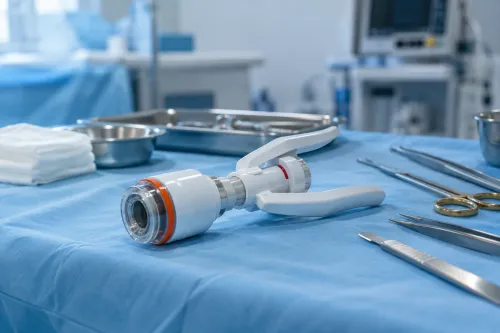
- Stapler surgery
- Laser-assisted procedures
- Conventional haemorrhoid surgery
An experienced surgeon recommends treatment based on the patient's condition rather than following a standard approach.
3. Clear Discussion of Benefits and Risks
Patients should understand:
- Why surgery is recommended
- Available alternatives
- Expected recovery time
- Possible complications
- Postoperative care requirements
Clear communication helps patients feel confident about their treatment decisions.
4. Access to Modern Surgical Facilities in Thane
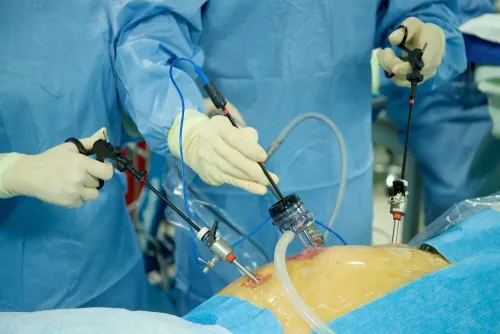
Advanced operation theatres, trained surgical teams, and modern equipment contribute significantly to patient safety and smoother recovery.
For residents of Thane and nearby areas of Maharashtra, choosing a facility equipped for minimally invasive procedures can make the treatment experience more comfortable.
5. Focus on Recovery
Good postoperative care is just as important as the surgery itself.
Recovery guidance often includes:
- Increasing fibre intake
- Drinking plenty of water
- Avoiding prolonged straining
- Walking regularly
- Following medication instructions carefully
6. Individualised Treatment Planning
Every patient experiences piles differently. Factors such as age, occupation, existing medical conditions, and the grade of haemorrhoids influence treatment decisions.
Dr Aditya Phadke carefully evaluates each case before recommending surgical or non-surgical management, ensuring treatment is tailored to the patient's specific needs rather than following a one-size-fits-all approach.
7. Long-Term Relief Matters
Successful treatment should address not only the current symptoms but also the lifestyle factors that contribute to recurrence.
Simple habits such as maintaining regular bowel movements, eating a fibre-rich diet, exercising regularly, and staying hydrated can help reduce future problems.
Choosing the right surgeon involves more than finding the nearest clinic. A careful evaluation, evidence-based treatment plan, and proper follow-up all contribute to better outcomes and improved quality of life.
Keywords