Severe reflux, gallstones, anaemia, sleep apnoea and uncontrolled diabetes can change whether weight-loss surgery is safe, which operation fits, or whether another condition needs treatment first. A structured assessment helps you identify warning symptoms, understand the tests involved and prepare for the long-term care surgery requires.
Key takeaways
- Check diabetes, sleep apnoea, reflux, liver disease and medication use before surgery.
- Ask whether endoscopy is needed to identify ulcers, hiatal hernia or other upper-GI problems.
- Confirm nutritional tests, psychological assessment and plans for postoperative follow-up.
- Request a clear explanation of procedure choice, risks, recovery and warning signs.
Which health problems must be identified before bariatric surgery?
Eligibility depends on more than BMI. Current ASMBS/IFSO guidance recommends metabolic and bariatric surgery for adults with BMI 35 kg/m² or higher, regardless of disease severity, and consideration at BMI 30–34.9 kg/m² when metabolic disease persists despite nonsurgical treatment.
A weight loss surgery assessment must document diabetes, high blood pressure, sleep apnoea, fatty liver disease, reflux, mobility limits, previous weight-management attempts, medicines, nutrition and anaesthetic risk.
Bariatric surgery problems that need prompt assessment before elective treatment include:
- Persistent vomiting, difficulty swallowing, vomiting blood, black stools, severe upper-abdominal pain or jaundice.
- Pregnancy or possible pregnancy, which requires contraception, medication review and nutritional counselling before scheduling surgery.
- Anaemia, iron or vitamin deficiencies, uncontrolled diabetes, or untreated sleep apnoea.
| Problem | Why it matters | Possible effect on surgery |
|---|---|---|
| Severe reflux or hiatal hernia | Raises aspiration risk and affects procedure choice | Treat or repair first; select the operation carefully |
| Gallstones or fatty liver disease | Changes abdominal operative planning | Ultrasound and liver tests may be needed |
| Diabetes or hypertension | Increases infection, clot and anaesthetic risk | Improve control and adjust medicines |
| Anaemia or deficiencies | Reduces healing and worsens postoperative nutrition | Replace nutrients before surgery |
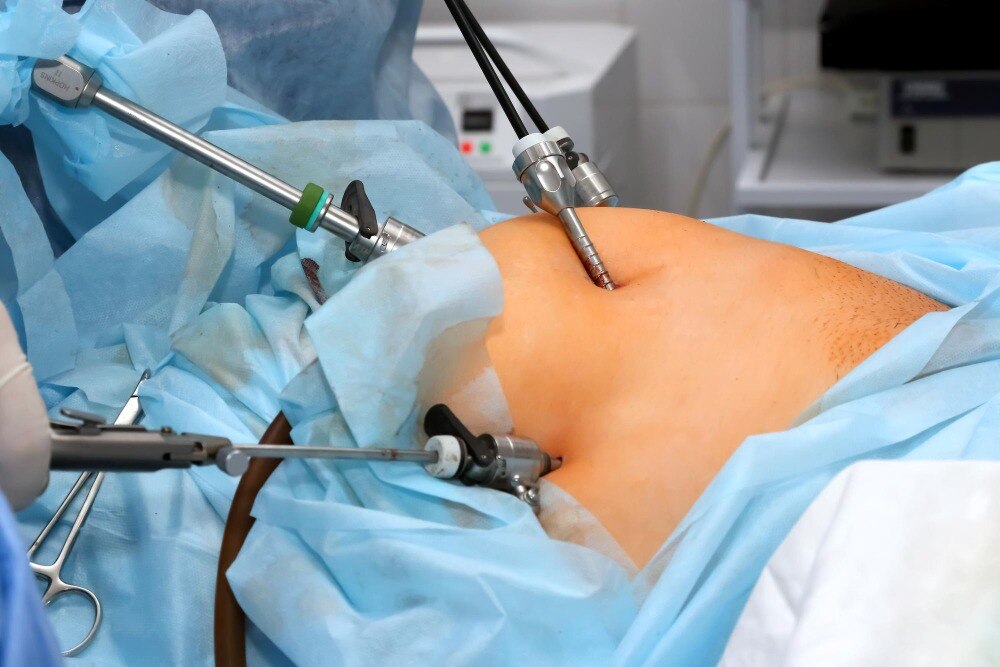
| Previous abdominal operations | Scar tissue can complicate laparoscopy | Alter port placement or surgical approach |
Bariatric surgery in Thane follows the same medical principles as elsewhere: urgent symptoms, untreated disease or inadequate follow-up ability can delay treatment.
What does a complete weight-loss surgery assessment include?
A complete weight loss surgery assessment follows a fixed sequence, not BMI alone. The phrase “bariatric surgery for thane” describes a location search, not a different medical pathway.
1. Record your weight, height and BMI, then document type 2 diabetes, high blood pressure, fatty liver disease, reflux, sleep apnoea, mobility limits and previous weight-management attempts. Ask about pregnancy or pregnancy plans before elective surgery.
2. Review every medicine, including insulin, blood thinners, steroids, painkillers and supplements. Examination should include blood pressure, heart and lung assessment, abdominal scars from previous operations, mobility and signs of anaemia or liver disease.
3. Order a complete blood count, blood glucose or HbA1c, liver and kidney function, electrolytes, iron studies, ferritin, vitamin B12, folate, vitamin D and calcium. Add thyroid testing when symptoms or history indicate it, and correct deficiencies before surgery where possible.
4. Complete a nutritional review covering eating patterns, protein intake, alcohol use and ability to take lifelong supplements. Use abdominal ultrasound when gallstones or fatty liver disease are suspected; arrange endoscopy for persistent reflux, vomiting or swallowing difficulty.
5. Screen for obstructive sleep apnoea with a validated questionnaire and sleep testing when indicated, then plan CPAP use around surgery. A psychological review checks readiness, expectations and follow-up ability, while the anaesthetist assesses airway, heart and lung risks and the safest medication plan.
How can endoscopy and other findings change the treatment plan?
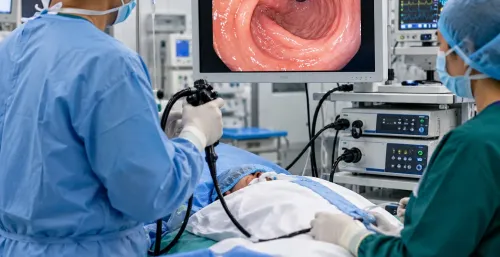
A normal BMI does not settle the operation. Endoscopy can show disease that makes sleeve gastrectomy a poor choice, delays surgery, or requires treatment before a procedure is safe.
- Reflux oesophagitis: Active inflammation needs treatment and healing. Significant reflux can favour Roux-en-Y gastric bypass because sleeve gastrectomy can worsen reflux.
- Barrett’s oesophagus: This requires specialist surveillance and a careful operation choice; severe or dysplastic changes take priority over elective surgery.
- Gastritis: Treat the cause and allow inflammation to settle before surgery, especially when pain, bleeding or anaemia is present.
- Ulcers: An active gastric or duodenal ulcer requires treatment before surgery because operating during active ulcer disease raises bleeding and healing concerns.
- H. pylori: Confirm eradication after antibiotics when advised; untreated infection can contribute to gastritis, ulcers and later postoperative problems.
- Hiatal hernia: Repair may be combined with the planned operation, but a large hernia or severe reflux can change the procedure selected.
- Narrowing: An oesophageal or gastric stricture causing difficulty swallowing needs investigation and correction before surgery, since postoperative swelling can worsen blockage.
Treat an unrelated abdominal problem first when it creates immediate risk or could alter the operation. Acute cholecystitis, bowel obstruction, active abdominal infection or unexplained jaundice needs priority rather than elective weight-loss surgery. Persistent vomiting, vomiting blood, black stools or severe upper-abdominal pain also requires prompt assessment.
These findings matter whether you are considering bariatric surgery in Thane or elsewhere. Ask which abnormality changes the operation, which needs treatment first, and what follow-up test confirms readiness.
What risks arise when assessment or surgical readiness is incomplete?
Untreated anaemia or iron, vitamin B12, folate and vitamin D deficiencies leave less reserve for healing and can worsen postoperative weakness. Uncontrolled diabetes raises infection and leak risk, while uncontrolled blood pressure increases cardiovascular and bleeding risks; medication doses also need planning after stomach or intestinal changes.
Sleep apnoea requires screening and a perioperative CPAP plan because anaesthesia, sedatives and opioids can worsen airway obstruction. Smoking reduces tissue oxygenation and raises wound, lung and leak complications. Delay surgery during pregnancy.
Alcohol dependence increases withdrawal, liver, bleeding and medication-interaction risks, while untreated psychiatric illness or disordered eating can impair consent, eating behaviour and safe medicine use.
These gaps create avoidable problems:
- A clotting or bleeding risk can turn routine surgery into a haemorrhage or pulmonary embolism.
- Poor nutrition can slow healing and increase infection or anastomotic leak risk.
- Cognitive, social or psychiatric barriers can lead to missed supplements, incorrect medication use and failure to attend reviews.
- Poor follow-up ability can delay recognition of persistent vomiting, fever, severe pain, breathlessness or a leak until treatment becomes urgent.
Assessment also prevents the wrong operation. Stapler circumcision ZSR surgery is a foreskin procedure, not weight-loss treatment, and confusing the two signals that diagnosis and consent need review. A bariatric plan must identify alternatives, aftercare and emergency symptoms before anaesthesia.
What should you clarify at a bariatric consultation in Thane?
Ask the surgeon to name the proposed operation, why it fits your BMI, eating pattern, reflux history, diabetes and previous abdominal surgery, and what happens if you choose medication, structured weight management or no operation. A search for bariatric surgery for Thane identifies a location, not a different operation; the assessment remains individualized.
| Option | What to clarify | Main trade-off or follow-up |
|---|---|---|
| Sleeve gastrectomy | Expected weight effect and reflux risk | Reflux can worsen; supplements and surveillance remain necessary |
| Roux-en-Y gastric bypass | Effect on reflux, diabetes and medicines | Greater nutritional monitoring and possible medication absorption changes |
| Non-surgical treatment or no operation | Expected benefits, limits and review plan | Avoids operative risk but requires sustained treatment and monitoring |
Before signing consent, ask which multivitamin, iron, vitamin B12, calcium and vitamin D you will need, how often blood tests will be checked, and who manages deficiencies, weight regain, gallstones, ulcers, strictures or internal hernia. Ask for written aftercare, diet stages, activity restrictions and emergency symptoms such as persistent vomiting, severe pain, bleeding or breathlessness.
Dr Aditya Phadke can use the consultation to distinguish a proposed abdominal weight-loss operation from unrelated treatment. Stapler circumcision ZSR surgery removes foreskin with a circular stapling device; it does not treat obesity, weight loss or bariatric disease, and requires a separate genital examination and consent discussion.
Related services
Bariatric Surgery Best Bariatric Surgeon in Thane Bariatric surgery, also known as weight loss surgery or metabolic surgery, is a surgical procedure performed on... View service → |
Obesity surgery also known as bariatric surgery, is a surgical procedure performed on people who are obese. View service → |
Frequently asked questions
Which health problems must be identified before bariatric surgery?
Assessment should identify diabetes, hypertension, sleep apnoea, reflux, fatty liver disease, anaemia, nutritional deficiencies, previous abdominal operations and medicines that affect surgery or recovery.
What does a complete weight-loss surgery assessment include?
It includes medical history, physical examination, blood tests, nutritional review, anaesthesia assessment, psychological or behavioural evaluation and a plan for long-term diet, supplements and follow-up.
How can endoscopy change the treatment plan?
Endoscopy can find reflux-related damage, ulcers, gastritis, hiatal hernia or other upper gastrointestinal problems. These findings can require treatment, further testing or a different operation.
What risks arise when surgical readiness is incomplete?
Unidentified conditions can increase anaesthesia, bleeding, infection, clotting, nutritional and postoperative complication risks. Missing follow-up planning can also lead to preventable deficiencies or poor weight-loss support.
What should you clarify at a bariatric consultation in Thane?
Ask which procedure fits your health history, which tests are required, how findings could change the plan, what preparation involves, and how follow-up, nutrition and urgent problems will be handled.
Keywords